Posted on 9/28/2026
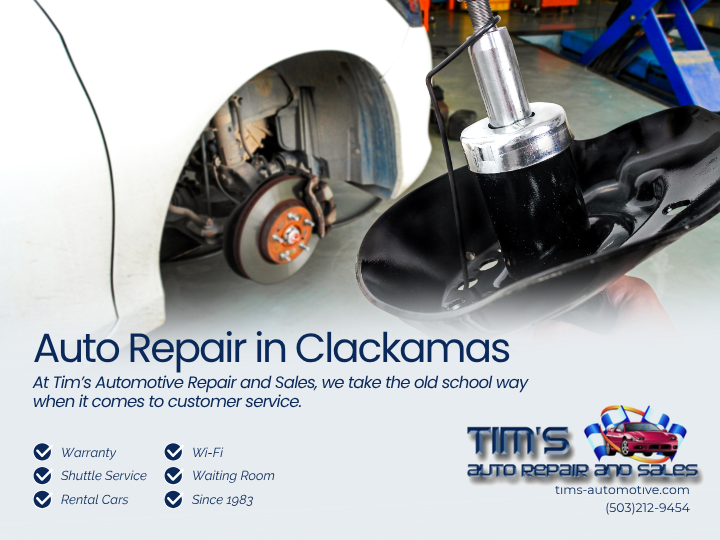
Should I Replace My Car? Why Keeping It Longer May Be the Better Decision A Clackamas guide to getting the full life from the vehicle you already own You take your car in because something does not feel right. Perhaps a warning light came on, the brakes need attention, or a technician found a leak. Then you see the repair recommendation and ask the question many owners ask: Should I replace my car? Sometimes replacing a vehicle is the right answer. But a needed repair, even a substantial one, does not mean the car has reached the end of its useful life. The better decision begins with the vehicle’s condition. Is it structurally sound? Are its major systems healthy? Has the problem been diagnosed correctly? Will the recommended work restore safe, dependable use? Does the vehicle still meet your needs? If the answers support keeping it, professional repair done right the first time may help you drive it for years to come. That can be better for your pocketbook and can make ful ... read more
Posted on 9/21/2026
Is It Worth Replacing a Hybrid Battery? When a hybrid vehicle displays a battery or hybrid-system warning, one question usually comes to mind first: Is it worth replacing the hybrid battery? For many hybrid owners in Clackamas, Oregon, the answer is yes—but only after the vehicle receives a complete and accurate diagnosis. A failing hybrid battery does not automatically mean the entire vehicle has reached the end of its useful life. If the vehicle is otherwise safe, dependable, properly maintained, and still meets your transportation needs, replacing the battery may allow you to continue driving a vehicle you already know and trust. However, replacing a hybrid battery without first determining the real cause of the problem can become an expensive mistake. An incorrect diagnosis, an improperly matched battery, or a poorly performed repair may leave you with the same warning lights and drivability problems you had before. The most expensive repair is often not the repair that ... read more
Posted on 9/18/2026
Do-It-Yourself Auto Repair in Clackamas, OR: When Saving on the Repair Can Cost You More The Least Expensive Repair Is Usually the One You Only Have to Do Once There is something rewarding about repairing your own vehicle. You identify a problem, watch a few videos, order the part, open your toolbox, and spend the weekend getting your car back on the road. When everything goes correctly, do-it-yourself auto repair can save time, build confidence, and help you better understand your vehicle. But that is only one possible outcome. What happens when the part you replace was not causing the problem? What if a repair that looked simple online requires a special tool, calibration, programming procedure, or diagnostic test that was never mentioned? What if a mistake damages another component or creates a safety problem that does not become obvious until you are driving? That is where a repair intended to save money can end up costing considerably more than having a professional auto rep ... read more
Posted on 9/14/2026
Rough Idle Diagnosis and Repair Near Me: Why the First Attempt Should Be the Right One There is a moment familiar to almost every driver in the Portland metro area. You are stopped at a light on SE Sunnyside Road, or waiting to turn onto 82nd Avenue, and the vehicle underneath you starts to shudder. Not violently. Not enough to alarm anyone else in traffic. Just enough that you feel it through the seat and the steering wheel, and you think to yourself, that's new. A rough idle is one of the most common complaints a vehicle can present, and one of the most misunderstood. It is easy to dismiss because the car still drives. It is easy to postpone because it does not leave you stranded. And it is easy to guess at, because the internet is full of confident voices telling you it is probably one thing, and that one thing is probably simple. That last part is where the trouble usually begins. This paper is written for drivers in Clackamas, Happy Valley, Damascus, Milwaukie, Gladstone ... read more
Posted on 9/11/2026

Green Auto Repair in Clackamas, OR: Responsible Vehicle Care From Used Oil to a Longer Life on the Road A vehicle repair creates two stories. The first is easy to see. Fresh oil goes into the engine. A new battery restores dependable starting. Safe tires replace worn ones. A repaired cooling system holds the correct fluid, and the customer returns to the road. The second story happens behind the service bay. Used oil, filters, coolant, transmission fluid, batteries, tires, brake components, scrap metal, damaged electronics, refrigerant, and contaminated shop materials remain after the work is finished. Each item needs an appropriate destination. For drivers in Clackamas, Happy Valley, Oregon City, Milwaukie, Gladstone, Damascus, and nearby communities, green auto repair includes the responsible collection and handling of these materials. Fluids are captured. Batteries and tires enter appropriate recovery systems. Metal is separated for recycling. Refrigerant is recovered during a ... read more